
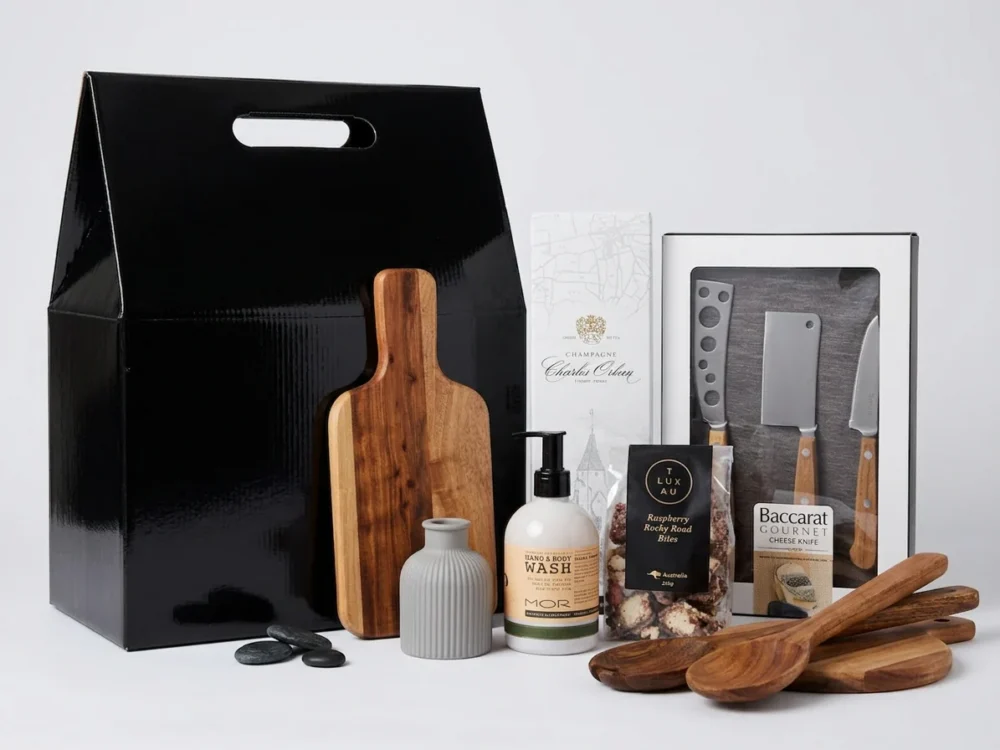
In Australia, corporate gift boxes have gone from a nice holiday extra to something teams rely on for client care, staff appreciation, launches, and even damage control after a messy quarter. But the big decision always lands in the same place. Should they be branded, personalised, or kept neutral?
It sounds simple. It rarely is. Because the wrong choice can feel tacky, lazy, or weirdly intense. The right choice, though, makes them look organised, thoughtful, and easy to work with.
Are corporate gift boxes meant to sell or to say thank you?
They are mainly meant to strengthen relationships, not push a hard sell. If the box feels like marketing collateral, the recipient notices. Fast.
In most Australian workplaces, corporate gift boxes work best when they communicate appreciation first, with branding used lightly, if at all. The goal is to be remembered for good reasons, not because the logo was everywhere.
When does branding help, and when does it ruin the gift?
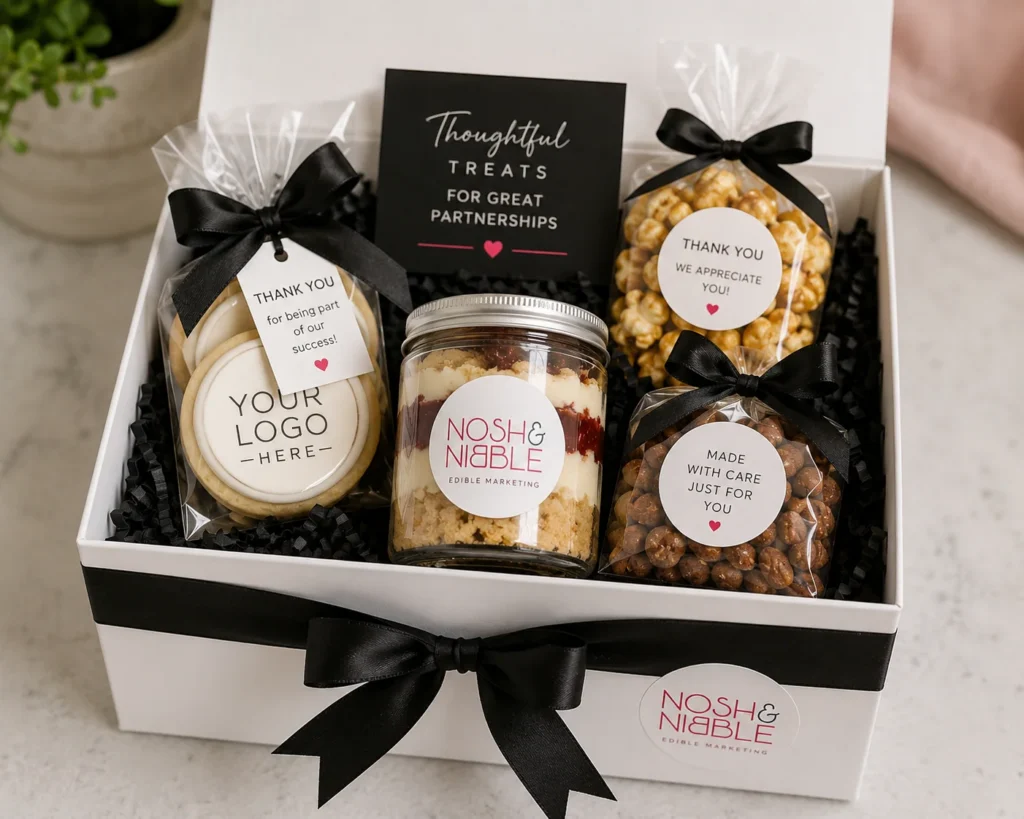
Branding helps when it is subtle and tied to quality. A small logo on a premium item can feel polished, like something they would actually keep.
Branding ruins it when it takes over the experience. In corporate gift boxes, a giant logo on every item can make the whole thing feel like a promo pack. The more senior the recipient, the more risky that is.
What counts as “branded” in an Australian corporate gifting context?
Branded usually means logo placement on the packaging, a card, or one or two items inside. In Australia, many companies keep it minimal because recipients often share gifts at home or in the office kitchen.
With corporate gift boxes, branded does not have to mean loud. It can be a colour palette match, a small emboss, or a discreet tag. Quiet branding tends to age better.

What does “personalised” really mean, beyond a name sticker?
Personalised means the gift reflects the recipient, not just the sender. A name on the card is fine, but it is not the whole point.
In corporate gift boxes, true personalisation might be choosing alcohol-free options for one client, adding a baby-friendly treat for a new parent employee, or selecting locally made products from their state. It feels considered. That is the difference.
Which option feels more premium, branded or personalised?
Personalised usually feels more premium because it signals effort. People assume someone actually thought about them, even if the process was systematised behind the scenes.
Branded can feel premium too, but only when the brand is already respected and the items are genuinely high quality. For corporate gift boxes, a personalised choice often beats an expensive logo moment.
Are corporate gift boxes ever better with no branding at all?
Yes, especially for high-value clients, government-adjacent recipients, or partnerships where neutrality matters. In those cases, branding can introduce awkwardness.
Neutral corporate gift boxes also work well when the goal is gratitude without obligation. The recipient should not feel like they have been pulled into a marketing funnel. Clean, unbranded packaging can look confident.
How do Australian workplaces choose gifts without crossing etiquette lines?
They keep it safe, useful, and shareable. In Australia, that often means gourmet pantry items, non-alcoholic options, quality stationery, candles, or locally sourced goods.
With corporate gift boxes, the safest approach is avoiding anything too personal, too romantic, or too pricey. If it could trigger a gift register conversation, it is probably the wrong tier.
Do corporate gift boxes need to be local to feel authentic in Australia?
They do not have to be, but local sourcing helps. Australian recipients tend to notice when the contents feel generic or imported without care.
Many corporate gift boxes land better when they feature Australian brands, especially from NSW, Victoria, Queensland, SA, WA, Tasmania, or the ACT. Even a small local touch can make the gift feel less mass produced.
What role does budget play in deciding branded vs personalised?
Budget shapes what is realistic, not what is appropriate. A small budget can still feel thoughtful if the choices are tight and consistent.
For corporate gift boxes, branding can be cheaper at scale, but personalisation does not have to mean expensive items. It can mean choosing one better product and writing a proper note, rather than padding the box with filler.
How do they keep corporate gift boxes from feeling generic?
They remove the “conference freebie” energy. That means fewer items, better items, and a clearer theme.
A themed approach works well for corporate gift boxes in Australia. For example, a “Friday wind down” box, a “new starter survival kit”, or a “thank you for the referral” hamper. The theme does the emotional work, not the logo.
What personalisation is scalable for large Australian teams?
They can personalise by segment, not by individual. That is the trick that keeps it manageable.
For corporate gift boxes, common segments include role type, location, dietary needs, and gifting occasion. A Perth team might get different local items than a Sydney team. It still feels personal, without turning into a spreadsheet nightmare.
Should corporate gift boxes include alcohol in Australia?
Sometimes, but it is increasingly optional. Alcohol can be appreciated, but it can also exclude people or create policy issues.
Many Australian companies now offer two versions of corporate gift boxes. One with wine or gin, and one alcohol-free with premium alternatives like sparkling tea, speciality coffee, or fancy tonic and citrus. Giving a choice avoids the awkwardness.
What should they put on the card, and does it matter?
It matters more than most people think. The card is where the intention becomes clear.
In corporate gift boxes, a short message that references the actual relationship wins. Thank them for a specific project, a milestone, patience during a delay, or a referral. A generic “valued customer” line can undo the whole effort.
How do they decide what’s right for clients vs employees?
Clients usually want professionalism and restraint. Employees often want warmth and practical value. Mixing those up is where gifting goes sideways.
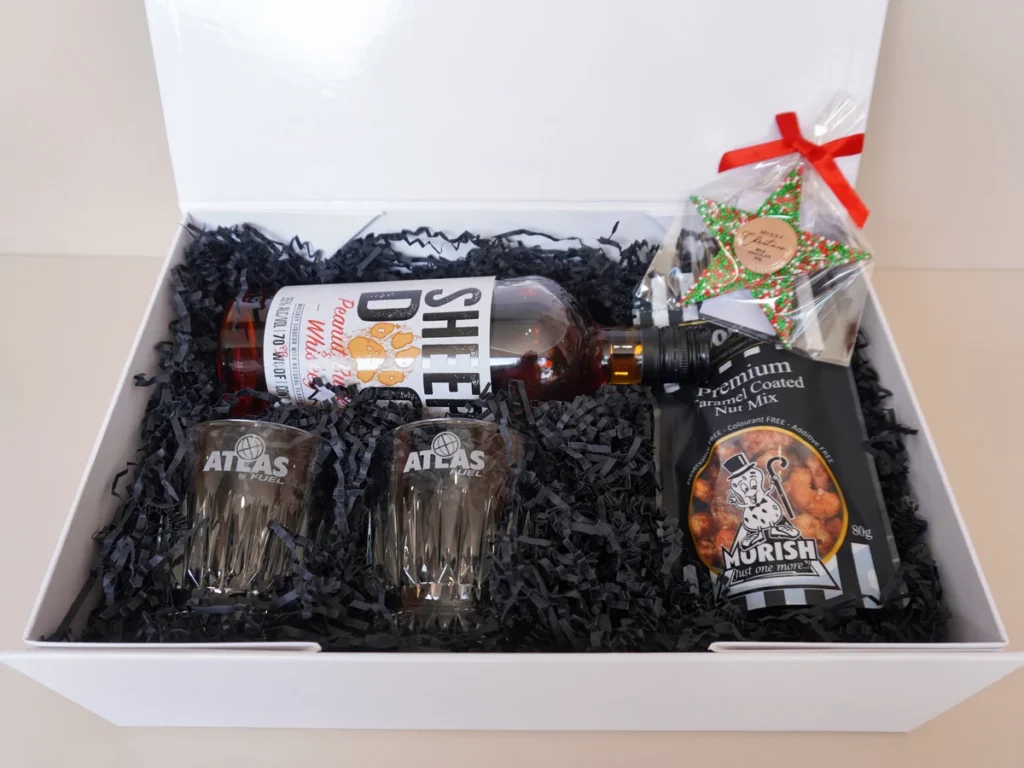
For clients, corporate gift boxes often work best when they are elegant, neutral, and easy to share. For employees, a little more personality is fine, especially around life moments like parental leave, promotions, or anniversaries.
Are branded corporate gift boxes better for brand recall?
They can be, but only if the recipient actually likes the gift. Brand recall is not just about visibility; it is about association.
If corporate gift boxes feel cheap, the brand sticks for the wrong reason. If the gift is genuinely good, subtle branding is enough. People remember who sent the impressive thing, even if the logo was tiny.
What’s the simplest decision framework for branded, personalised, or neither?
They can ask three questions: What is the relationship stage, what is the risk level, and what is the goal?
If the goal is appreciation and the relationship is sensitive, neutral wins. If the goal is retention and they know the recipient well, personalised wins. If the goal is awareness at scale, branded wins. For corporate gift boxes, that basic framework saves a lot of second guessing.
So, which option is “best” for corporate gift boxes in Australia?
Personalised is best most of the time, branded is best when it is understated, and neither is best when neutrality is the point. That is the honest answer.
In Australia, corporate gift boxes work when they feel intentional and easy to receive. Not loud. Not random. Not like someone clicked “add to cart” in a panic. If they get that part right, the branding decision becomes a detail, not the whole story.
FAQs (Frequently Asked Questions)
What is the primary purpose of corporate gift boxes in Australian workplaces?
Corporate gift boxes in Australia are mainly meant to strengthen relationships by communicating appreciation first, rather than serving as a hard sell or marketing collateral. They help teams show client care, staff appreciation, and support during various occasions.
When should branding be included on corporate gift boxes, and how can it be done effectively?
Branding helps when it is subtle and tied to quality, such as a small logo on a premium item that recipients would actually keep. Overbranding with large logos on every item can make the gift feel like a promotional pack, which is risky especially for senior recipients. In Australia, minimal branding like discreet tags or colour palette matches tends to age better.
How does personalisation differ from simply adding a name sticker on corporate gift boxes?
Personalisation goes beyond just adding a name sticker; it means tailoring the gift to reflect the recipient’s preferences or circumstances. Examples include choosing alcohol-free options for some clients, adding baby-friendly treats for new parents, or selecting locally made products from their state. This thoughtful approach makes the gift feel considered and genuine.
Which option feels more premium in Australian corporate gifting: branded or personalised gifts?
Personalised gifts usually feel more premium because they signal effort and thoughtfulness, even if the process is systematised behind the scenes. Branded gifts can feel premium only when the brand is respected and the items are genuinely high quality. Often, personalised choices outperform expensive logo placements in perceived value.
Are there situations where corporate gift boxes should have no branding at all?
Yes, especially when gifting high-value clients, government-adjacent recipients, or partnerships where neutrality is important. In these cases, branding might create awkwardness. Neutral corporate gift boxes also work well when expressing gratitude without creating a sense of obligation or marketing pressure.
How can Australian companies personalise corporate gift boxes at scale for large teams?
Scalable personalisation involves segmenting recipients rather than individualising each box fully. Segments may be based on role type, location, dietary needs, or gifting occasion. For example, teams in Perth might receive different local items than those in Sydney. This approach maintains a personal touch while managing logistics efficiently.
Related: How to Order Corporate Gifts in Bulk Without the Headache